
Ibs Causes Symptoms Ayurvedic Treatment Pune
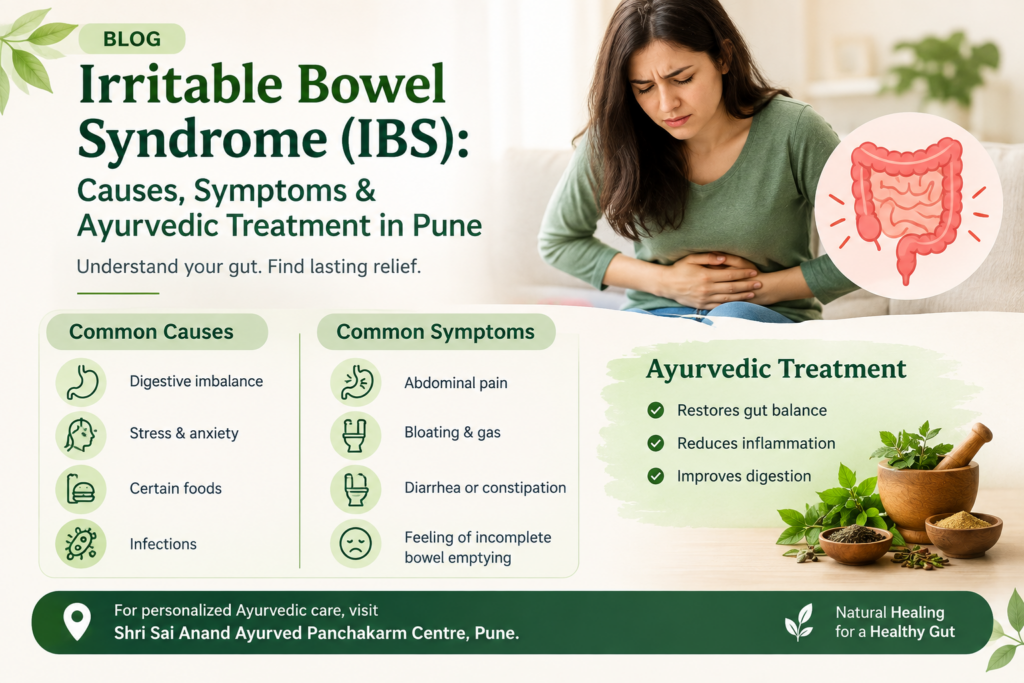
Irritable Bowel Syndrome (IBS): Causes, Symptoms & Ayurvedic Treatment in Pune Irritable Bowel Syndrome (IBS) is a common digestive disorder that affects the large intestine. It causes recurring abdominal pain, bloating, gas, and changes in bowel habits, including constipation, diarrhea, or both. Although IBS is a long-term condition, it does not permanently damage the intestines. However, its symptoms can interfere with daily activities and reduce quality of life. Stress, unhealthy eating habits, food intolerances, and changes in gut function are some of the common factors linked to IBS. While conventional treatment mainly focuses on symptom management, Ayurveda takes a holistic approach by improving digestion, balancing the body’s natural systems, and promoting overall wellness. If you are looking for IBS treatment in Pune, Ayurvedic IBS treatment in Mumbai, or natural IBS treatment in Nagpur, understanding IBS is the first step toward effective management. What is Irritable Bowel Syndrome (IBS)? Irritable Bowel Syndrome (IBS) is a chronic functional gastrointestinal disorder that affects the normal functioning of the large intestine. It is commonly associated with recurring abdominal pain and changes in bowel movements. Unlike inflammatory bowel diseases, IBS does not cause permanent damage to the digestive tract. Common Symptoms of IBS Abdominal pain or cramping Bloating and excessive gas Swollen stomach Constipation Diarrhea Alternating constipation and diarrhea Feeling of incomplete bowel emptying IBS symptoms often become worse due to stress, certain foods, or irregular eating habits. The severity of symptoms can vary from person to person. Types of Irritable Bowel Syndrome IBS is classified into three main types based on bowel movement patterns. 1. IBS with Constipation (IBS-C) In IBS-C, constipation is the dominant symptom. Stools are usually hard, dry, or difficult to pass. Common Symptoms Hard or lumpy stools Abdominal pain Bloating Difficulty passing stools Feeling of incomplete bowel movement 2. IBS with Diarrhea (IBS-D) People with IBS-D experience frequent loose or watery stools along with abdominal discomfort. Common Symptoms Loose or watery stools Frequent bowel movements Urgency to pass stool Cramping Bloating 3. IBS with Mixed Bowel Habits (IBS-M) IBS-M involves alternating episodes of constipation and diarrhea. Common Symptoms Constipation followed by diarrhea Abdominal pain Gas and bloating Irregular bowel movements Digestive discomfort Since IBS symptoms differ from one person to another, a personalized treatment plan is essential. Whether you are searching for an IBS specialist in Pune, IBS treatment in Mumbai, or Ayurvedic IBS treatment in Nagpur, early diagnosis and appropriate care can help improve digestive health and overall quality of life. What Causes IBS? The exact cause of Irritable Bowel Syndrome (IBS) is not fully understood. However, several factors can contribute to the condition. In many cases, IBS develops due to a combination of digestive, lifestyle, and psychological factors. Common Causes of IBS Gut-Brain Connection: Poor communication between the brain and digestive system can affect bowel movements. Functional Gastrointestinal Disorder: The intestines may become more sensitive than normal, leading to pain and discomfort. Nerve Sensitivity: Increased sensitivity of the intestinal nerves can cause abdominal pain and cramping. Muscle Spasms: Abnormal contractions of the intestinal muscles may lead to constipation or diarrhea. Food Triggers: Spicy foods, dairy products, caffeine, and processed foods may trigger IBS symptoms in some individuals. Stress and Anxiety: Emotional stress is one of the most common triggers that can worsen IBS symptoms. Previous Stomach Infection: Some people develop IBS after recovering from a severe bacterial or viral stomach infection. Identifying and avoiding personal triggers is an important step in managing IBS effectively. Can Ayurveda Help in Managing IBS? Ayurveda considers IBS to be associated with an imbalance in the digestive system, often linked to weakened digestive fire (Agni) and the accumulation of toxins (Ama). Instead of only controlling symptoms, Ayurveda focuses on improving digestion, restoring balance, and supporting overall gut health. Ayurvedic Approach to IBS Improve digestion and metabolism Balance the body’s natural systems Reduce digestive discomfort Promote healthy bowel movements Support long-term digestive wellness Commonly Used Ayurvedic Herbs Some Ayurvedic herbs that are traditionally used to support digestive health include: Bilva – Traditionally used to support healthy digestion. Kutaj – Commonly used in Ayurveda for bowel health. Triphala – Helps maintain digestive balance and supports regular bowel movements. Arogyavardhini – Traditionally used to support digestive and liver health. Note: Ayurvedic medicines should always be taken under the guidance of a qualified Ayurvedic doctor. Self-medication is not recommended. If you are looking for Ayurvedic IBS treatment in Pune, IBS treatment in Mumbai, or natural IBS treatment in Nagpur, a personalized treatment plan based on your symptoms and overall health may help improve digestive well-being. Panchakarma Therapies for IBS Panchakarma is a traditional Ayurvedic detoxification and rejuvenation therapy that aims to restore balance in the body. Depending on an individual’s condition, an Ayurvedic physician may recommend specific therapies as part of a personalized treatment plan. Common Panchakarma Therapies Snehan (Oleation Therapy) Medicated oils are used to nourish the body and prepare it for detoxification. Swedan (Sudation Therapy) A therapeutic sweating process that helps relax the body and supports circulation. Basti (Medicated Enema Therapy) One of the important Panchakarma therapies, traditionally used to help balance the body’s natural systems and support digestive health. Shirodhara A calming therapy in which a continuous stream of medicated oil is poured over the forehead to promote relaxation and help manage stress, which may contribute to IBS symptoms. Lifestyle Tips to Manage IBS Along with treatment, healthy lifestyle habits can help reduce IBS flare-ups. Eat smaller meals at regular intervals. Drink plenty of water throughout the day. Exercise regularly. Practice yoga and meditation to reduce stress. Avoid foods that trigger your symptoms. Get adequate sleep and maintain a healthy routine. A combination of personalized Ayurvedic care, Panchakarma therapies, and healthy lifestyle changes may help improve digestive comfort and overall well-being. Next: Why Choose Dr. Manoj Kocheta for IBS Treatment in Pune? | Conclusion | Frequently Asked Questions (FAQs) Why Choose Dr. Manoj Kocheta for IBS Treatment in Pune? Choosing the right doctor is an important step in managing Irritable Bowel Syndrome (IBS).