Dr. Manoj Kocheta

Uncategorized

Uncategorized

Ibs Causes Symptoms Ayurvedic Treatment Pune

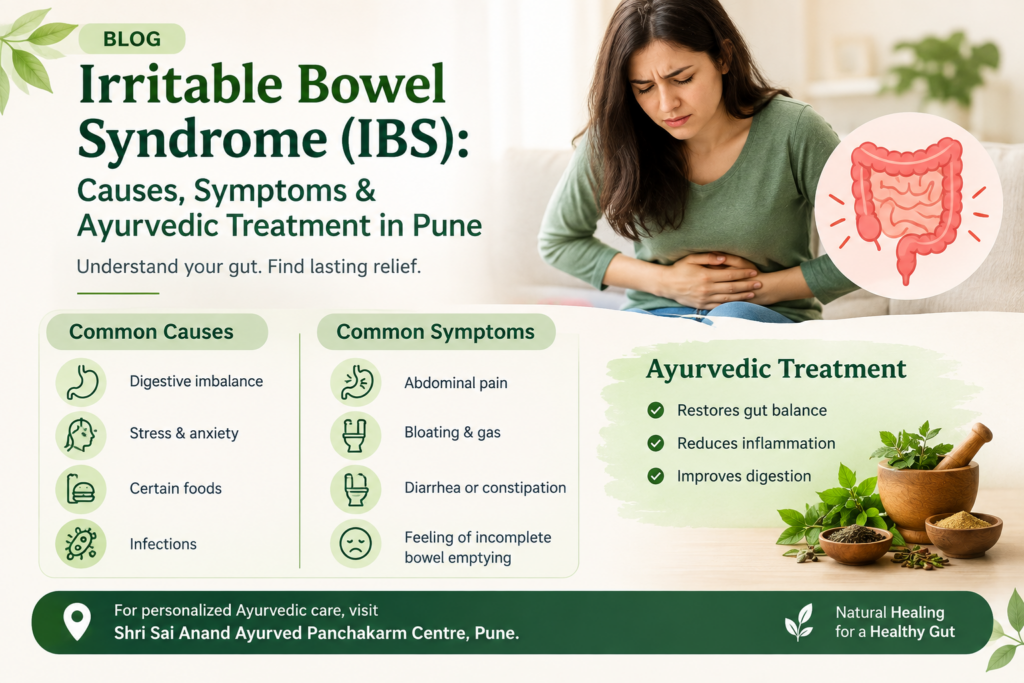
Irritable Bowel Syndrome (IBS): Causes, Symptoms & Ayurvedic Treatment in Pune Irritable Bowel Syndrome (IBS) is a common digestive disorder that affects the large intestine. It causes recurring abdominal pain, bloating, gas, and changes in bowel habits, including constipation, diarrhea, or both. Although IBS is a long-term condition, it does not permanently damage the intestines. However, its symptoms can interfere with daily activities and reduce quality of life. Stress, unhealthy eating habits, food intolerances, and changes in gut function are some of the common factors linked to IBS. While conventional treatment mainly focuses on symptom management, Ayurveda takes a holistic approach by improving digestion, balancing the body’s natural systems, and promoting overall wellness. If you are looking for IBS treatment in Pune, Ayurvedic IBS treatment in Mumbai, or natural IBS treatment in Nagpur, understanding IBS is the first step toward effective management. What is Irritable Bowel Syndrome (IBS)? Irritable Bowel Syndrome (IBS) is a chronic functional gastrointestinal disorder that affects the normal functioning of the large intestine. It is commonly associated with recurring abdominal pain and changes in bowel movements. Unlike inflammatory bowel diseases, IBS does not cause permanent damage to the digestive tract. Common Symptoms of IBS Abdominal pain or cramping Bloating and excessive gas Swollen stomach Constipation Diarrhea Alternating constipation and diarrhea Feeling of incomplete bowel emptying IBS symptoms often become worse due to stress, certain foods, or irregular eating habits. The severity of symptoms can vary from person to person. Types of Irritable Bowel Syndrome IBS is classified into three main types based on bowel movement patterns. 1. IBS with Constipation (IBS-C) In IBS-C, constipation is the dominant symptom. Stools are usually hard, dry, or difficult to pass. Common Symptoms Hard or lumpy stools Abdominal pain Bloating Difficulty passing stools Feeling of incomplete bowel movement 2. IBS with Diarrhea (IBS-D) People with IBS-D experience frequent loose or watery stools along with abdominal discomfort. Common Symptoms Loose or watery stools Frequent bowel movements Urgency to pass stool Cramping Bloating 3. IBS with Mixed Bowel Habits (IBS-M) IBS-M involves alternating episodes of constipation and diarrhea. Common Symptoms Constipation followed by diarrhea Abdominal pain Gas and bloating Irregular bowel movements Digestive discomfort Since IBS symptoms differ from one person to another, a personalized treatment plan is essential. Whether you are searching for an IBS specialist in Pune, IBS treatment in Mumbai, or Ayurvedic IBS treatment in Nagpur, early diagnosis and appropriate care can help improve digestive health and overall quality of life. What Causes IBS? The exact cause of Irritable Bowel Syndrome (IBS) is not fully understood. However, several factors can contribute to the condition. In many cases, IBS develops due to a combination of digestive, lifestyle, and psychological factors. Common Causes of IBS Gut-Brain Connection: Poor communication between the brain and digestive system can affect bowel movements. Functional Gastrointestinal Disorder: The intestines may become more sensitive than normal, leading to pain and discomfort. Nerve Sensitivity: Increased sensitivity of the intestinal nerves can cause abdominal pain and cramping. Muscle Spasms: Abnormal contractions of the intestinal muscles may lead to constipation or diarrhea. Food Triggers: Spicy foods, dairy products, caffeine, and processed foods may trigger IBS symptoms in some individuals. Stress and Anxiety: Emotional stress is one of the most common triggers that can worsen IBS symptoms. Previous Stomach Infection: Some people develop IBS after recovering from a severe bacterial or viral stomach infection. Identifying and avoiding personal triggers is an important step in managing IBS effectively. Can Ayurveda Help in Managing IBS? Ayurveda considers IBS to be associated with an imbalance in the digestive system, often linked to weakened digestive fire (Agni) and the accumulation of toxins (Ama). Instead of only controlling symptoms, Ayurveda focuses on improving digestion, restoring balance, and supporting overall gut health. Ayurvedic Approach to IBS Improve digestion and metabolism Balance the body’s natural systems Reduce digestive discomfort Promote healthy bowel movements Support long-term digestive wellness Commonly Used Ayurvedic Herbs Some Ayurvedic herbs that are traditionally used to support digestive health include: Bilva – Traditionally used to support healthy digestion. Kutaj – Commonly used in Ayurveda for bowel health. Triphala – Helps maintain digestive balance and supports regular bowel movements. Arogyavardhini – Traditionally used to support digestive and liver health. Note: Ayurvedic medicines should always be taken under the guidance of a qualified Ayurvedic doctor. Self-medication is not recommended. If you are looking for Ayurvedic IBS treatment in Pune, IBS treatment in Mumbai, or natural IBS treatment in Nagpur, a personalized treatment plan based on your symptoms and overall health may help improve digestive well-being. Panchakarma Therapies for IBS Panchakarma is a traditional Ayurvedic detoxification and rejuvenation therapy that aims to restore balance in the body. Depending on an individual’s condition, an Ayurvedic physician may recommend specific therapies as part of a personalized treatment plan. Common Panchakarma Therapies Snehan (Oleation Therapy) Medicated oils are used to nourish the body and prepare it for detoxification. Swedan (Sudation Therapy) A therapeutic sweating process that helps relax the body and supports circulation. Basti (Medicated Enema Therapy) One of the important Panchakarma therapies, traditionally used to help balance the body’s natural systems and support digestive health. Shirodhara A calming therapy in which a continuous stream of medicated oil is poured over the forehead to promote relaxation and help manage stress, which may contribute to IBS symptoms. Lifestyle Tips to Manage IBS Along with treatment, healthy lifestyle habits can help reduce IBS flare-ups. Eat smaller meals at regular intervals. Drink plenty of water throughout the day. Exercise regularly. Practice yoga and meditation to reduce stress. Avoid foods that trigger your symptoms. Get adequate sleep and maintain a healthy routine. A combination of personalized Ayurvedic care, Panchakarma therapies, and healthy lifestyle changes may help improve digestive comfort and overall well-being. Next: Why Choose Dr. Manoj Kocheta for IBS Treatment in Pune? | Conclusion | Frequently Asked Questions (FAQs) Why Choose Dr. Manoj Kocheta for IBS Treatment in Pune? Choosing the right doctor is an important step in managing Irritable Bowel Syndrome (IBS).

Uncategorized

Vitiligo Causes Symptoms Ayurvedic Treatment Pune

Irritable Bowel Syndrome (IBS): Causes, Symptoms & Ayurvedic Treatment in Pune Irritable Bowel Syndrome (IBS) is a common digestive disorder that affects the large intestine. It causes recurring abdominal pain, bloating, gas, and changes in bowel habits, including constipation, diarrhea, or both. Although IBS is a long-term condition, it does not permanently damage the intestines. However, its symptoms can interfere with daily activities and reduce quality of life. Stress, unhealthy eating habits, food intolerances, and changes in gut function are some of the common factors linked to IBS. While conventional treatment mainly focuses on symptom management, Ayurveda takes a holistic approach by improving digestion, balancing the body’s natural systems, and promoting overall wellness. If you are looking for IBS treatment in Pune, Ayurvedic IBS treatment in Mumbai, or natural IBS treatment in Nagpur, understanding IBS is the first step toward effective management. What is Irritable Bowel Syndrome (IBS)? Irritable Bowel Syndrome (IBS) is a chronic functional gastrointestinal disorder that affects the normal functioning of the large intestine. It is commonly associated with recurring abdominal pain and changes in bowel movements. Unlike inflammatory bowel diseases, IBS does not cause permanent damage to the digestive tract. Common Symptoms of IBS Abdominal pain or cramping Bloating and excessive gas Swollen stomach Constipation Diarrhea Alternating constipation and diarrhea Feeling of incomplete bowel emptying IBS symptoms often become worse due to stress, certain foods, or irregular eating habits. The severity of symptoms can vary from person to person. Types of Irritable Bowel Syndrome IBS is classified into three main types based on bowel movement patterns. 1. IBS with Constipation (IBS-C) In IBS-C, constipation is the dominant symptom. Stools are usually hard, dry, or difficult to pass. Common Symptoms Hard or lumpy stools Abdominal pain Bloating Difficulty passing stools Feeling of incomplete bowel movement 2. IBS with Diarrhea (IBS-D) People with IBS-D experience frequent loose or watery stools along with abdominal discomfort. Common Symptoms Loose or watery stools Frequent bowel movements Urgency to pass stool Cramping Bloating 3. IBS with Mixed Bowel Habits (IBS-M) IBS-M involves alternating episodes of constipation and diarrhea. Common Symptoms Constipation followed by diarrhea Abdominal pain Gas and bloating Irregular bowel movements Digestive discomfort Since IBS symptoms differ from one person to another, a personalized treatment plan is essential. Whether you are searching for an IBS specialist in Pune, IBS treatment in Mumbai, or Ayurvedic IBS treatment in Nagpur, early diagnosis and appropriate care can help improve digestive health and overall quality of life. What Causes IBS? The exact cause of Irritable Bowel Syndrome (IBS) is not fully understood. However, several factors can contribute to the condition. In many cases, IBS develops due to a combination of digestive, lifestyle, and psychological factors. Common Causes of IBS Gut-Brain Connection: Poor communication between the brain and digestive system can affect bowel movements. Functional Gastrointestinal Disorder: The intestines may become more sensitive than normal, leading to pain and discomfort. Nerve Sensitivity: Increased sensitivity of the intestinal nerves can cause abdominal pain and cramping. Muscle Spasms: Abnormal contractions of the intestinal muscles may lead to constipation or diarrhea. Food Triggers: Spicy foods, dairy products, caffeine, and processed foods may trigger IBS symptoms in some individuals. Stress and Anxiety: Emotional stress is one of the most common triggers that can worsen IBS symptoms. Previous Stomach Infection: Some people develop IBS after recovering from a severe bacterial or viral stomach infection. Identifying and avoiding personal triggers is an important step in managing IBS effectively. Can Ayurveda Help in Managing IBS? Ayurveda considers IBS to be associated with an imbalance in the digestive system, often linked to weakened digestive fire (Agni) and the accumulation of toxins (Ama). Instead of only controlling symptoms, Ayurveda focuses on improving digestion, restoring balance, and supporting overall gut health. Ayurvedic Approach to IBS Improve digestion and metabolism Balance the body’s natural systems Reduce digestive discomfort Promote healthy bowel movements Support long-term digestive wellness Commonly Used Ayurvedic Herbs Some Ayurvedic herbs that are traditionally used to support digestive health include: Bilva – Traditionally used to support healthy digestion. Kutaj – Commonly used in Ayurveda for bowel health. Triphala – Helps maintain digestive balance and supports regular bowel movements. Arogyavardhini – Traditionally used to support digestive and liver health. Note: Ayurvedic medicines should always be taken under the guidance of a qualified Ayurvedic doctor. Self-medication is not recommended. If you are looking for Ayurvedic IBS treatment in Pune, IBS treatment in Mumbai, or natural IBS treatment in Nagpur, a personalized treatment plan based on your symptoms and overall health may help improve digestive well-being. Panchakarma Therapies for IBS Panchakarma is a traditional Ayurvedic detoxification and rejuvenation therapy that aims to restore balance in the body. Depending on an individual’s condition, an Ayurvedic physician may recommend specific therapies as part of a personalized treatment plan. Common Panchakarma Therapies Snehan (Oleation Therapy) Medicated oils are used to nourish the body and prepare it for detoxification. Swedan (Sudation Therapy) A therapeutic sweating process that helps relax the body and supports circulation. Basti (Medicated Enema Therapy) One of the important Panchakarma therapies, traditionally used to help balance the body’s natural systems and support digestive health. Shirodhara A calming therapy in which a continuous stream of medicated oil is poured over the forehead to promote relaxation and help manage stress, which may contribute to IBS symptoms. Lifestyle Tips to Manage IBS Along with treatment, healthy lifestyle habits can help reduce IBS flare-ups. Eat smaller meals at regular intervals. Drink plenty of water throughout the day. Exercise regularly. Practice yoga and meditation to reduce stress. Avoid foods that trigger your symptoms. Get adequate sleep and maintain a healthy routine. A combination of personalized Ayurvedic care, Panchakarma therapies, and healthy lifestyle changes may help improve digestive comfort and overall well-being. Next: Why Choose Dr. Manoj Kocheta for IBS Treatment in Pune? | Conclusion | Frequently Asked Questions (FAQs) Why Choose Dr. Manoj Kocheta for IBS Treatment in Pune? Choosing the right doctor is an important step in managing Irritable Bowel Syndrome (IBS).
Uncategorized

Nephrotic Syndrome Causes Symptoms Ayurvedic Treatment Pune

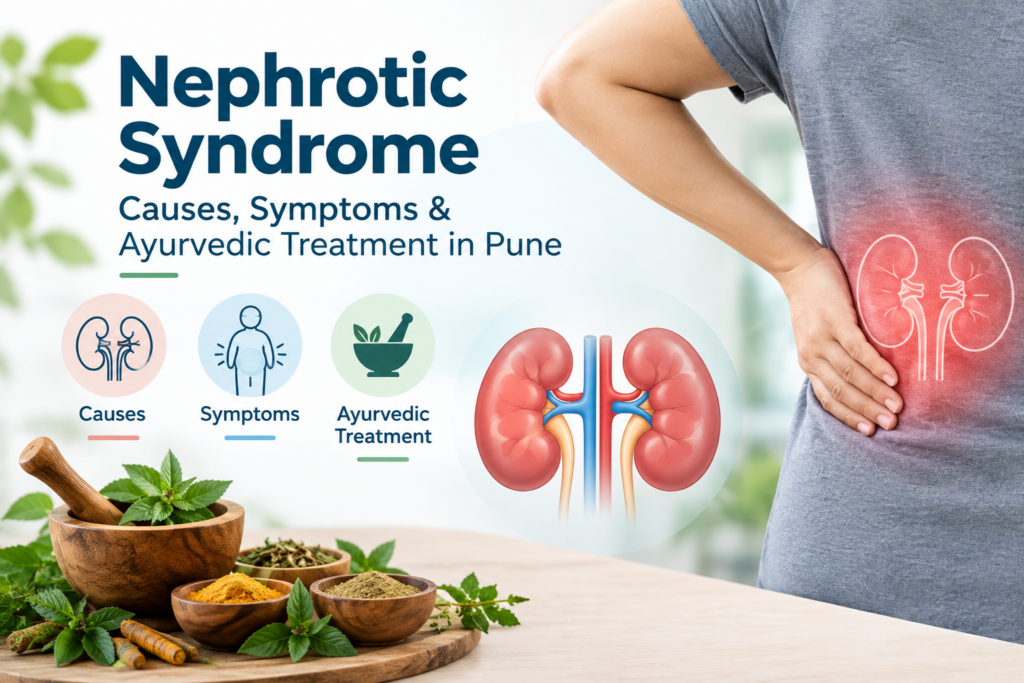
Slug nephrotic-syndrome-causes-symptoms-ayurvedic-treatment-pune Meta Title Nephrotic Syndrome: Causes, Symptoms & Ayurvedic Treatment in Pune | Dr. Manoj Kocheta Meta Description Learn about Nephrotic Syndrome, its causes, symptoms, and Ayurvedic treatment. Consult Dr. Manoj Kocheta for holistic kidney care in Pune, Mumbai, and Nagpur. Nephrotic Syndrome: Causes, Symptoms & Ayurvedic Treatment in Pune Nephrotic Syndrome is a kidney disorder that affects the body’s ability to filter waste and retain essential proteins. It occurs when the tiny filtering units of the kidneys, called glomeruli, become damaged, allowing large amounts of protein to pass into the urine. As a result, patients may develop swelling (edema), low blood protein levels, high cholesterol, and other health complications. Although Nephrotic Syndrome can affect people of all ages, it is more common in children. In adults, conditions such as diabetes and autoimmune diseases are common causes. Early diagnosis and proper treatment are important to protect kidney function and improve overall health. If you are looking for Nephrotic Syndrome treatment in Pune, Ayurvedic kidney treatment in Mumbai, or natural kidney care in Nagpur, understanding the condition is the first step toward effective management. What is Nephrotic Syndrome? Nephrotic Syndrome is not a single disease but a group of symptoms that occur when the kidneys are damaged. Healthy kidneys prevent important proteins from leaking into the urine. When the kidney filters become damaged, proteins such as albumin are lost through urine, leading to several health problems. Common Features of Nephrotic Syndrome Proteinuria (excess protein in urine) Low albumin levels (Hypoalbuminemia) Swelling of the face, legs, feet, or abdomen (Edema) High cholesterol (Hyperlipidemia) Lipids in the urine (Lipiduria) High blood pressure (Hypertension) Increased risk of blood clots (Hypercoagulability) Common Symptoms Puffy eyelids, especially in the morning Swollen feet, ankles, or legs Swollen abdomen Foamy urine Fatigue and weakness Loss of appetite Muscle wasting Difficulty breathing in severe cases If these symptoms persist, it is important to consult a kidney specialist for proper evaluation. Types of Nephrotic Syndrome Nephrotic Syndrome is broadly divided into two main types. 1. Primary Nephrotic Syndrome This type develops due to diseases that directly affect the kidneys. Common causes include: Minimal Change Disease Focal Segmental Glomerulosclerosis (FSGS) Membranous Nephropathy Mesangial Proliferative Glomerulonephritis Minimal Change Disease is the most common cause in children, while Membranous Nephropathy is more frequently seen in adults. 2. Secondary Nephrotic Syndrome Secondary Nephrotic Syndrome occurs due to other medical conditions affecting the kidneys. These include: Diabetes Mellitus Systemic Lupus Erythematosus (SLE) Amyloidosis Viral infections Preeclampsia during pregnancy Proper diagnosis helps identify the underlying cause and guide the appropriate treatment. What Causes Nephrotic Syndrome? Nephrotic Syndrome develops when the kidney’s filtering units (glomeruli) become damaged. This damage allows protein to leak into the urine instead of remaining in the bloodstream. Common Causes Diabetes-related kidney disease Autoimmune disorders Genetic conditions Viral infections Certain medications Kidney inflammation Risk Factors Diabetes High blood pressure HIV infection Hepatitis B and Hepatitis C Malaria Family history of kidney disease Early treatment of these conditions may reduce the risk of kidney damage. Can Ayurveda Help in Managing Nephrotic Syndrome? According to Ayurveda, kidney disorders are associated with an imbalance in the Mutravaha Srotas (urinary channels) and disturbances in the body’s natural energies (Doshas). Ayurvedic management aims to support kidney health, reduce swelling, improve digestion, and promote overall wellness. Ayurvedic Approach Support healthy kidney function Improve fluid balance Help reduce swelling (Edema) Strengthen overall health Promote healthy urinary function Common Ayurvedic Herbs Some herbs traditionally used in Ayurvedic practice include: Punarnava – Traditionally used to support fluid balance and kidney health. Gokshura – Supports urinary system function. Varuna – Traditionally used for urinary tract health. Giloy – Supports immune function and overall wellness. Turmeric – Known for its antioxidant and anti-inflammatory properties. Classical Ayurvedic Formulations Depending on the patient’s condition, an Ayurvedic physician may recommend: Punarnavasava Chandanasava Gokshuradi Guggulu Chandraprabha Vati Arogyavardhini Vati Note: Ayurvedic medicines should only be taken under the supervision of a qualified Ayurvedic doctor. They should not replace conventional medical treatment without professional guidance. Why Choose Dr. Manoj Kocheta for Nephrotic Syndrome Treatment in Pune? Dr. Manoj Kocheta is an experienced Ayurvedic physician with more than 20 years of expertise in managing chronic kidney disorders through personalized Ayurvedic care. His treatment approach focuses on understanding each patient’s condition and providing individualized guidance through herbal medicines, dietary recommendations, and lifestyle modifications. Why Patients Trust Dr. Manoj Kocheta More than 20 years of Ayurvedic clinical experience Personalized treatment plans Holistic approach to kidney health Expertise in managing chronic kidney disorders Diet and lifestyle counseling Patient-centered care Patients from Pune, Mumbai, and Nagpur visit Shri Sai Anand Ayurved Panchakarma Centre for holistic Ayurvedic care and personalized treatment for kidney-related conditions. Conclusion Nephrotic Syndrome is a serious kidney condition that requires timely diagnosis and appropriate medical care. Symptoms such as swelling, protein in the urine, and persistent fatigue should not be ignored. Ayurveda offers a holistic approach that focuses on supporting kidney health, improving overall well-being, and promoting healthy urinary function through personalized treatment, diet, and lifestyle guidance. If you are looking for Nephrotic Syndrome treatment in Pune, Ayurvedic kidney treatment in Mumbai, or natural kidney care in Nagpur, consult an experienced Ayurvedic physician for a comprehensive evaluation and personalized treatment plan. Frequently Asked Questions (FAQs) 1. What is Nephrotic Syndrome? Nephrotic Syndrome is a kidney disorder in which damaged kidney filters allow excessive protein to pass into the urine, leading to swelling and other complications. 2. What are the common symptoms of Nephrotic Syndrome? Common symptoms include swelling around the eyes and legs, foamy urine, fatigue, abdominal swelling, and loss of appetite. 3. What causes Nephrotic Syndrome? It can result from kidney diseases, diabetes, autoimmune disorders, infections, genetic conditions, or certain medications. 4. Can Ayurveda help manage Nephrotic Syndrome? Ayurveda focuses on supporting kidney health, improving overall wellness, and promoting healthy urinary function through personalized treatment, herbal medicines, diet, and lifestyle modifications. 5. Which Ayurvedic herbs are commonly used for kidney health? Herbs such as Punarnava, Gokshura, Varuna, Giloy,

Uncategorized

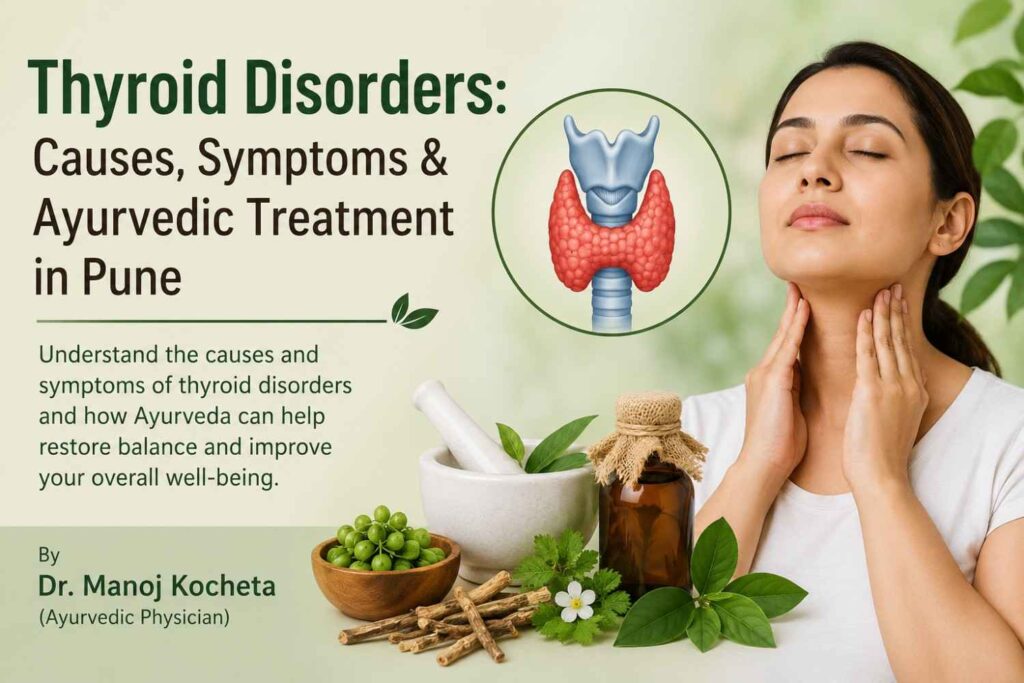
Thyroid Disorders Causes Symptoms Ayurvedic Treatment

Thyroid Disorders: Causes, Symptoms & Ayurvedic Treatment in Pune Thyroid disorders are among the most common endocrine conditions affecting millions of people worldwide. In India, the prevalence of thyroid-related problems has increased significantly over the past few decades due to changing lifestyles, stress, nutritional deficiencies, and genetic factors. Many individuals suffer from thyroid dysfunction without even realizing it because the symptoms often develop gradually and mimic other health conditions. The thyroid gland may be small in size, but it plays a crucial role in regulating many essential functions of the body, including metabolism, energy production, body temperature, heart rate, digestion, and mood. When the thyroid gland does not function properly, it can affect nearly every organ system and significantly impact a person’s quality of life. Whether you are experiencing unexplained weight gain, fatigue, hair loss, anxiety, or sudden weight loss, these symptoms may indicate an underlying thyroid disorder that requires timely diagnosis and proper treatment. While conventional medicine primarily focuses on hormone replacement or medication management, Ayurveda offers a holistic approach that aims to address the root cause of the imbalance. Ayurvedic treatment for thyroid disorders focuses on improving digestion, balancing the body’s natural systems, detoxification, and enhancing overall well-being through personalized therapies. If you are searching for the best Ayurvedic thyroid treatment in Pune, thyroid specialist in Mumbai, or natural thyroid treatment in Nagpur, understanding the condition and available treatment options can help you make informed healthcare decisions. What is the Thyroid Gland? The thyroid is a small, butterfly-shaped endocrine gland located at the front of the neck, just below the Adam’s apple. Despite its small size, it is one of the most important glands in the human body. The thyroid gland produces hormones that influence numerous bodily functions, including: Metabolism Energy production Heart function Body temperature regulation Digestion Brain function Muscle strength Reproductive health When the thyroid gland becomes underactive or overactive, it can lead to various health problems that require proper medical attention. What Are Thyroid Hormones? 1. Thyroxine (T4) Thyroxine is the major hormone produced by the thyroid gland. It helps regulate metabolism and supports the normal functioning of various organs. 2. Triiodothyronine (T3) T3 is the active form of thyroid hormone and is responsible for controlling several important body functions, including energy production and metabolism. 3. Thyroid Stimulating Hormone (TSH) TSH is produced by the pituitary gland and acts as a messenger that tells the thyroid gland how much hormone to produce. TSH plays a significant role in controlling thyroid function and is considered one of the most important markers used in diagnosing thyroid disorders. Why is the Thyroid Important for Your Health? The thyroid gland influences almost every cell in the body. Proper thyroid function is essential for maintaining overall health. Regulates Metabolism The thyroid determines how efficiently your body converts food into energy. Maintains Energy Levels Healthy thyroid hormones help keep you energetic and active throughout the day. Controls Body Temperature The thyroid helps maintain a normal body temperature and regulates heat production. Supports Heart Health Thyroid hormones influence heart rate and blood circulation. Affects Mental Well-being An imbalance in thyroid hormones may contribute to: Anxiety Depression Mood swings Memory problems Difficulty concentrating Maintains Healthy Weight Thyroid dysfunction can lead to sudden weight gain or weight loss. Types of Thyroid Disorders 1. Hypothyroidism (Underactive Thyroid) Hypothyroidism occurs when the thyroid gland produces insufficient amounts of thyroid hormones, causing the body’s metabolism to slow down. Common Causes of Hypothyroidism Autoimmune thyroid disease Iodine deficiency Family history Certain medications Previous thyroid surgery Symptoms of Hypothyroidism Fatigue Weight gain Constipation Hair loss Dry skin Cold sensitivity Depression Swelling of the face Muscle weakness Irregular menstrual cycles Many people seeking Ayurvedic treatment for hypothyroidism in Pune, Mumbai, and Nagpur prefer a holistic approach that addresses lifestyle and metabolic imbalances. 2. Hyperthyroidism (Overactive Thyroid) Hyperthyroidism develops when the thyroid gland produces excessive thyroid hormones, causing the body’s metabolism to become overactive. Common Causes of Hyperthyroidism Graves’ disease Thyroid nodules Thyroid inflammation Excess iodine intake Symptoms of Hyperthyroidism Sudden weight loss Anxiety and nervousness Rapid heartbeat Excessive sweating Heat intolerance Sleep disturbances Tremors Irritability Individuals looking for natural hyperthyroidism treatment in Mumbai, Ayurvedic thyroid care in Pune, and thyroid management in Nagpur often seek therapies that support overall wellness while addressing the underlying imbalance. Can Ayurveda Help in Managing Thyroid Disorders? Ayurveda does not view thyroid disorders merely as a hormonal condition. Instead, it considers thyroid dysfunction to be the result of an imbalance in the body’s natural energies, digestive fire (Agni), and metabolic processes. The primary goals of Ayurvedic management include: Improving digestion and metabolism Eliminating toxins from the body Restoring hormonal balance Reducing stress Supporting healthy thyroid function Enhancing overall well-being Ayurvedic treatment is highly personalized and may include: Herbal medicines Dietary modifications Lifestyle recommendations Stress management techniques Panchakarma therapies Common Ayurvedic Herbs Used for Thyroid Health Ashwagandha Supports stress management and overall well-being. Kanchanar Guggulu Traditionally used in Ayurveda to support glandular health. Guggul Helps maintain metabolic balance. Brahmi Supports mental wellness and relaxation. Note: Ayurvedic medicines should only be taken under the supervision of a qualified Ayurvedic physician. Panchakarma Therapies for Thyroid Health Panchakarma is a traditional Ayurvedic detoxification and rejuvenation therapy designed to restore balance in the body. Snehan (Oleation Therapy) This therapy uses medicated oils to nourish tissues and prepare the body for detoxification. Swedan (Sudation Therapy) Therapeutic sweating helps remove toxins and improve circulation. Virechan (Purification Therapy) A cleansing therapy aimed at balancing metabolic processes. Basti (Medicated Enema Therapy) Basti is considered one of the most effective Panchakarma therapies for balancing bodily systems and promoting overall wellness. These therapies may help support healthy thyroid function when performed under expert supervision as part of a personalized treatment plan. Why Choose Dr. Manoj Kocheta for Thyroid Treatment in Pune? Dr. Manoj Kocheta is a renowned Ayurvedic Liver, Kidney, and Thyroid Specialist in Pune with over 20 years of experience in managing chronic diseases through authentic Ayurvedic principles. Why Patients Trust Dr. Manoj Kocheta

Uncategorized

By Dr. Manoj Kocheta – Liver, Gallbladder & Digestive Health Expert

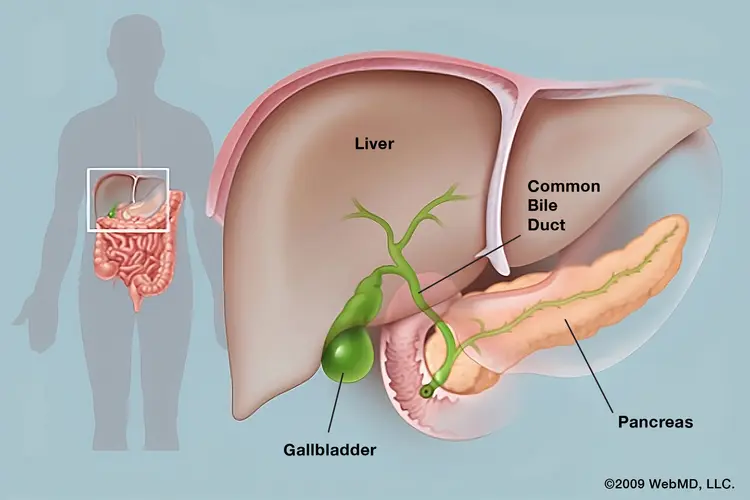
Gallbladder Pain: Signs You Shouldn’t Ignore – By Liver & Digestive Health Expert Dr. Manoj Kocheta Gallbladder pain is a common yet often misunderstood health issue that can significantly impact your quality of life. It typically arises due to gallstones blocking the bile ducts, leading to inflammation, infection, or impaired bile flow. According to Dr. Manoj Kocheta, a renowned liver specialist and digestive health doctor in Pune, gallbladder pain must be evaluated and treated promptly to avoid serious complications. As a gallbladder expert with Ayurvedic and holistic care expertise, Dr. Kocheta explains that gallbladder pain usually presents as a sudden, sharp ache in the upper right side of the abdomen, often spreading to the back or right shoulder. It frequently occurs after eating oily or fatty meals and may be accompanied by nausea, vomiting, or digestive discomfort. Many patients overlook early warning signs, confusing them with acidity or general indigestion. However, persistent symptoms may indicate gallbladder disease or bile duct blockage, requiring immediate attention. ⚠️ Symptoms You Should Watch For Recognizing symptoms early can help avoid more serious conditions. The key warning signs of gallbladder-related issues include: Sudden and severe pain in the upper right abdomen Pain that appears after eating heavy or oily food Bloating, gas, nausea, or vomiting Fever, chills, or general weakness Jaundice – yellowing of the eyes or skin Dark-colored urine or pale-colored stools If you notice these symptoms, especially after meals, you may be dealing with gallbladder inflammation (cholecystitis) or gallstone attacks (biliary colic). These require proper diagnosis from a trained digestive health expert. 🔍 Common Causes of Gallbladder Pain Dr. Kocheta, a trusted Bibwewadi gallbladder doctor, highlights the major causes of gallbladder pain: Gallstones: Hardened deposits that obstruct bile flow Cholecystitis: Inflammation of the gallbladder due to stones or infection Cholangitis: Infection or inflammation in the bile ducts Poor bile drainage or sluggish gallbladder function Digestive system imbalance or liver overload These causes can often be linked to improper diet, sedentary lifestyle, high cholesterol, or pre-existing liver conditions. 🚨 What Happens If You Ignore Gallbladder Symptoms? Delaying treatment or ignoring gallbladder-related symptoms can result in severe complications such as: Infection or pus accumulation in the gallbladder Gallbladder rupture or tissue death (gangrene) Spread of infection to the liver or pancreas, causing pancreatitis Chronic digestive disorders Worsening jaundice and liver stress Ignoring these symptoms may escalate the condition, turning a manageable issue into a medical emergency. That’s why it’s critical to consult a reliable gallbladder and digestive health specialist in Pune at the earliest signs. ✅ How Dr. Manoj Kocheta’s Clinic Can Help Dr. Manoj Kocheta offers comprehensive and effective gallbladder pain treatment using a blend of modern diagnostics and Ayurvedic liver treatment principles. At his Liver, Gallbladder & Digestive Health Clinic in Bibwewadi, patients receive personalized care with: Accurate diagnosis using ultrasound, Liver Function Test (LFT), and other advanced tools Early-stage medical management to avoid surgery where possible Dietary and lifestyle counseling to reduce inflammation and prevent recurrence Customized Ayurvedic gallbladder cure using natural herbs and therapies Whether you are dealing with gallstones, liver fatigue, bile duct issues, or overall sluggish digestion, Dr. Kocheta provides targeted solutions that address the root cause. 📌 Take Charge of Your Health Today If you are suffering from persistent abdominal pain, poor digestion, or recurring nausea after meals, don’t ignore these signs. You could be dealing with a treatable yet serious gallbladder disorder. Dr. Manoj Kocheta, an experienced Ayurvedic liver and digestive health expert, is here to help you regain control of your health through accurate diagnosis and holistic healing. 📍 Clinic InformationDr. Manoj Kocheta – Liver, Gallbladder & Digestive Health Specialist🩺 Expert in Ayurvedic & Holistic Digestive Care📞 Call/WhatsApp: 7020693176📍 Address: Flat No. 2 B, Shreyas Nimbus Apt, Mahesh Society, Bibwewadi, Pune 411037🌐 Website: www.liverkidneyayurved.com

Scroll to Top